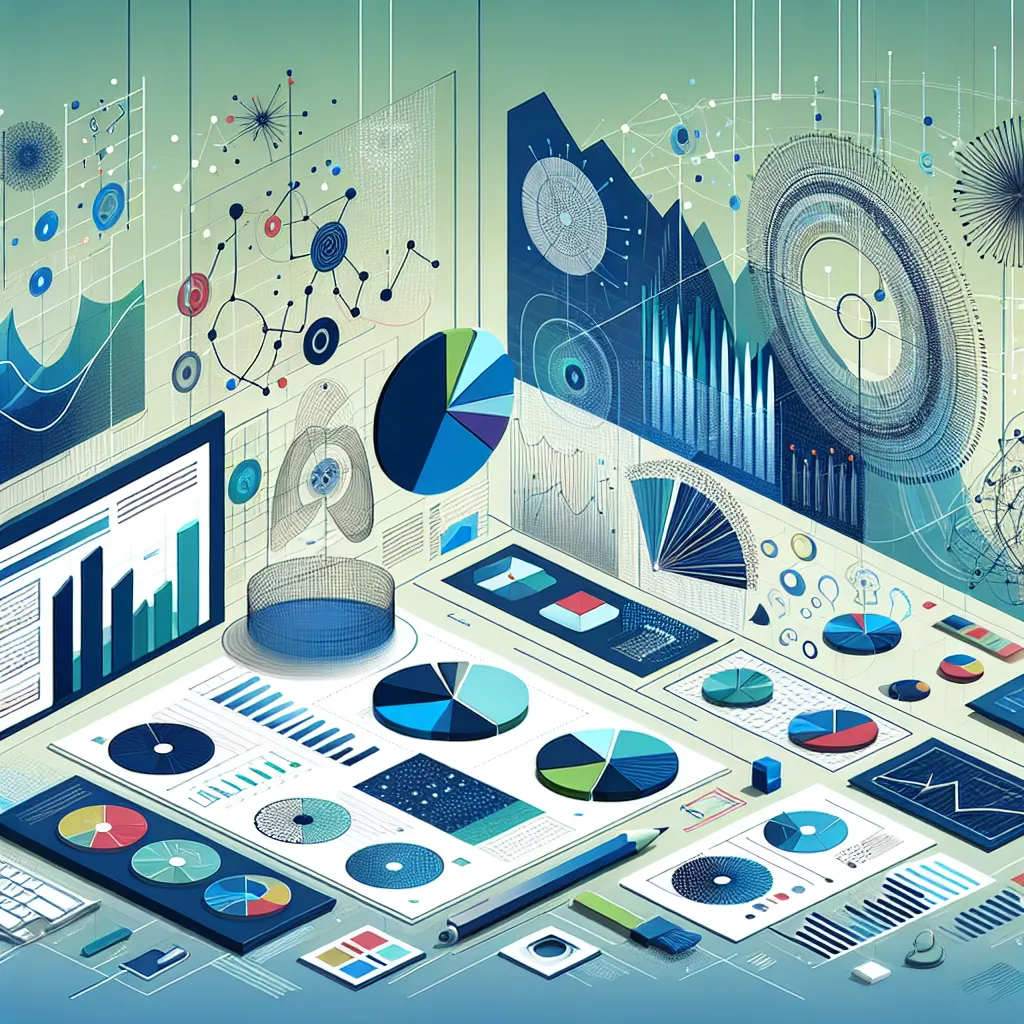
The Role of Data Visualization in Modern Website Design
Introduction to Data Visualization
In the digital age, data visualization has become an integral part of website design. It offers a unique way to present complex information clearly and concisely. By transforming data into a visual context, such as graphs and charts, it enhances user experience and helps businesses convey their messages effectively.
Why Data Visualization Matters in Web Design
Data visualization is crucial because it makes data accessible and interpretable at a glance. With the proliferation of data, website visitors increasingly demand quick and easy access to information. Here's why data visualization matters:
- Improved User Engagement: Visually appealing content is more likely to capture and retain the user's attention, encouraging interaction.
- Enhanced Understanding: Visuals make complex data more digestible, facilitating faster decision-making.
- Storytelling: Effective visuals tell a story, making data more relatable and memorable.
Types of Data Visualizations
Various types of data visualizations can be leveraged depending on the information you want to convey.
- Charts: Pie charts, bar charts, and line charts are ideal for showing changes over time or comparing quantities.
- Graphs: Useful for illustrating relationships between data sets.
- Infographics: Combine images, charts, and minimal text to form an easy-to-digest visual which tells a data-driven story or concept.
The Advantages of Integrating Data Visualization in Website Design
Incorporating data visualization offers numerous benefits:
- Simplifies Complexity: Complex datasets become more manageable and easier to comprehend.
- Supports Data-Driven Decisions: Interactive dashboards allow users to explore data and make informed decisions.
- Increases Accessibility: Provides accessible formats for data consumption by audiences with varying technical expertise.
Applications of Data Visualization in Different Sectors
Data visualization is applied across various industries, enhancing their digital landscape:
- Healthcare: Visualizing patient data aids in diagnosis and treatment plans.
- Finance: Helps analysts track market trends and forecast financial scenarios.
- E-commerce: Visitor data visualizations help optimize product listings and marketing strategies.
Tools and Technologies for Data Visualization
Choosing the right tools can significantly impact the effectiveness of your data visualizations. Here are a few to consider:
- Tableau: Known for its ability to handle vast datasets and produce interactive dashboards.
- Power BI: A Microsoft tool that integrates seamlessly with other Office tools, offering robust analytics features.
- D3.js: A JavaScript library for producing dynamic, interactive data visualizations in web browsers.
Best Practices for Data Visualization in Web Design
To ensure that data visualizations effectively communicate data, follow these best practices:
- Design for Clarity: Visuals should enhance understanding, not confuse the audience.
- Maintain Consistency: Use consistent design language across all visuals to aid comprehension.
- Focus on Relevance: Only present data that is pertinent to your audience’s needs.
Challenges in Data Visualization
Despite its benefits, data visualization poses certain challenges:
- Data Quality: Visualizations are only as good as the data they're based on. Inaccurate data leads to misleading visuals.
- Complexity: Overly complex visuals can overwhelm users rather than inform them.
- Technical Limitations: Some web browsers or devices may not support advanced visualization technologies.
Future of Data Visualization in Web Design
The future of data visualization in web design promises exciting innovations:
- Artificial Intelligence: AI-driven analytics will enable real-time adaptive visualizations tailored to user interactions.
- Augmented Reality: AR technology can enhance data visualization by overlaying data in the real world.
- Immersive Experiences: Virtual reality could provide immersive environments for complex data analysis and storytelling.
Conclusion
Data visualization is not just about aesthetics; it's a fundamental component of modern website design that empowers users, drives engagement, and ultimately aids in decision-making. By integrating effective data visualizations, businesses can enhance their digital presence and create a more interactive and informative experience for their users.
As we advance, the continuous evolution in technology will push the boundaries of what's possible, offering new tools and mediums for presenting data in dynamic and visually stunning ways. Embracing these changes will be key for those looking to stay ahead in the digital panorama.
Comments (0)
No comments yet. Be the first to share your thoughts!