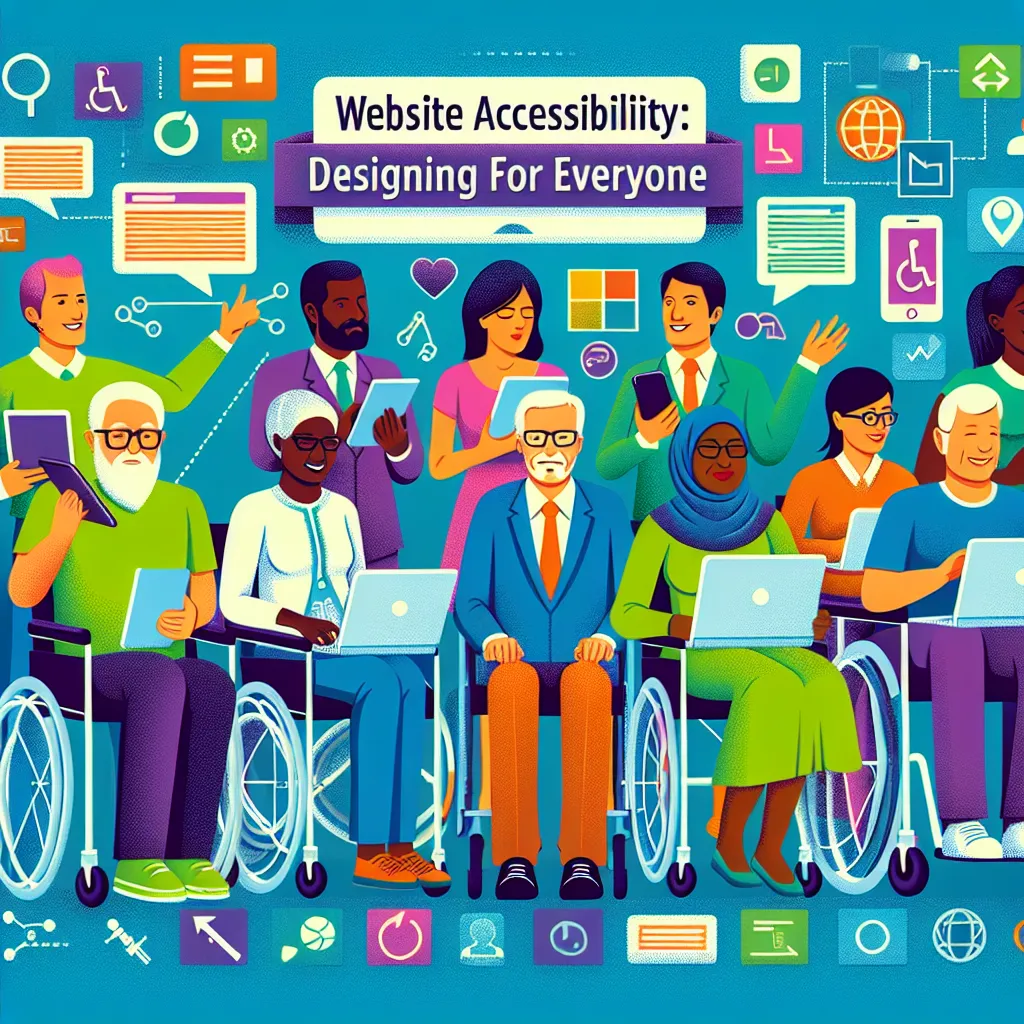
Website Accessibility: Designing for Everyone
Website accessibility is more than just a technical requirement; it is a fundamental aspect of creating an inclusive internet. As we increasingly rely on digital platforms, the imperative to make websites accessible for everyone, regardless of their abilities, is more critical than ever. This comprehensive guide explores the necessity, benefits, and methods for designing accessible websites.
Understanding Website Accessibility
Website accessibility refers to designing and developing websites that can be used by everyone, including individuals with disabilities. The goal is to remove barriers that might prevent interaction with or access to websites. This includes users with visual, auditory, motor, or cognitive impairments.
Why Website Accessibility Matters
Creating accessible websites is not only an ethical obligation but also a legal one in many regions. Here are some compelling reasons:
- Inclusive Experience: Ensures equal access and opportunity to all users.
- Legal Compliance: Adhering to standards like WCAG 2.0 can shield businesses from legal repercussions.
- Improved SEO: Accessible websites often rank better on search engines due to cleaner code and improved reach.
Implementing Accessibility in Web Design
Implementing accessibility may seem daunting, but understanding key principles makes it manageable. Below are methods to enhance website accessibility:
1. Use Accessible Coding Practices
Clean coding practices form the backbone of an accessible website. Utilize semantic HTML to improve accessibility inherently.
2. Ensure Keyboard Navigation
Many users depend on keyboards for navigation. Ensure your site is fully navigable without a mouse by using tab indexes and proper focus management.
3. Optimize for Screen Readers
Screen readers vocalize content for visually impaired users. Use alt tags for images and ensure content order is logical when parsed linearly.
4. Color and Contrast
Utilize high contrast color schemes to make text readable for those with color blindness. Tools like WebAIM's Contrast Checker can be incredibly helpful.
5. Inclusive Multimedia
Provide transcripts for audio content, and captions for videos to cater to all users regardless of hearing ability.
The Business Case for Accessibility
Accessible websites expand audience reach and enhance brand loyalty. Statistics show that businesses practicing inclusivity see:
- Increased Market Reach: Roughly 15% of the world's population has some form of disability. By improving accessibility, businesses can tap into this significant demographic.
- Enhanced User Satisfaction: Accessible websites generally offer better user experiences, enhancing engagement and return rates.
Challenges and Solutions
Despite the benefits, challenges in achieving accessibility exist. These include lack of awareness, inadequate resources, and evolving standards. Solutions involve:
- Continuous Education: Stay updated with current guidelines and practices through resources like W3C’s Web Accessibility Initiative.
- Utilize Automation Tools: Tools like WAVE and Axe help detect and fix accessibility issues efficiently.
Conclusion: Building an Inclusive Web
Website accessibility is about valuing every user equally by offering them a functional and effective online experience. As digital interfaces continue to dominate our lives, ensuring websites are accessible to all is not just a technological priority, but a moral imperative.
Comments (0)
No comments yet. Be the first to share your thoughts!