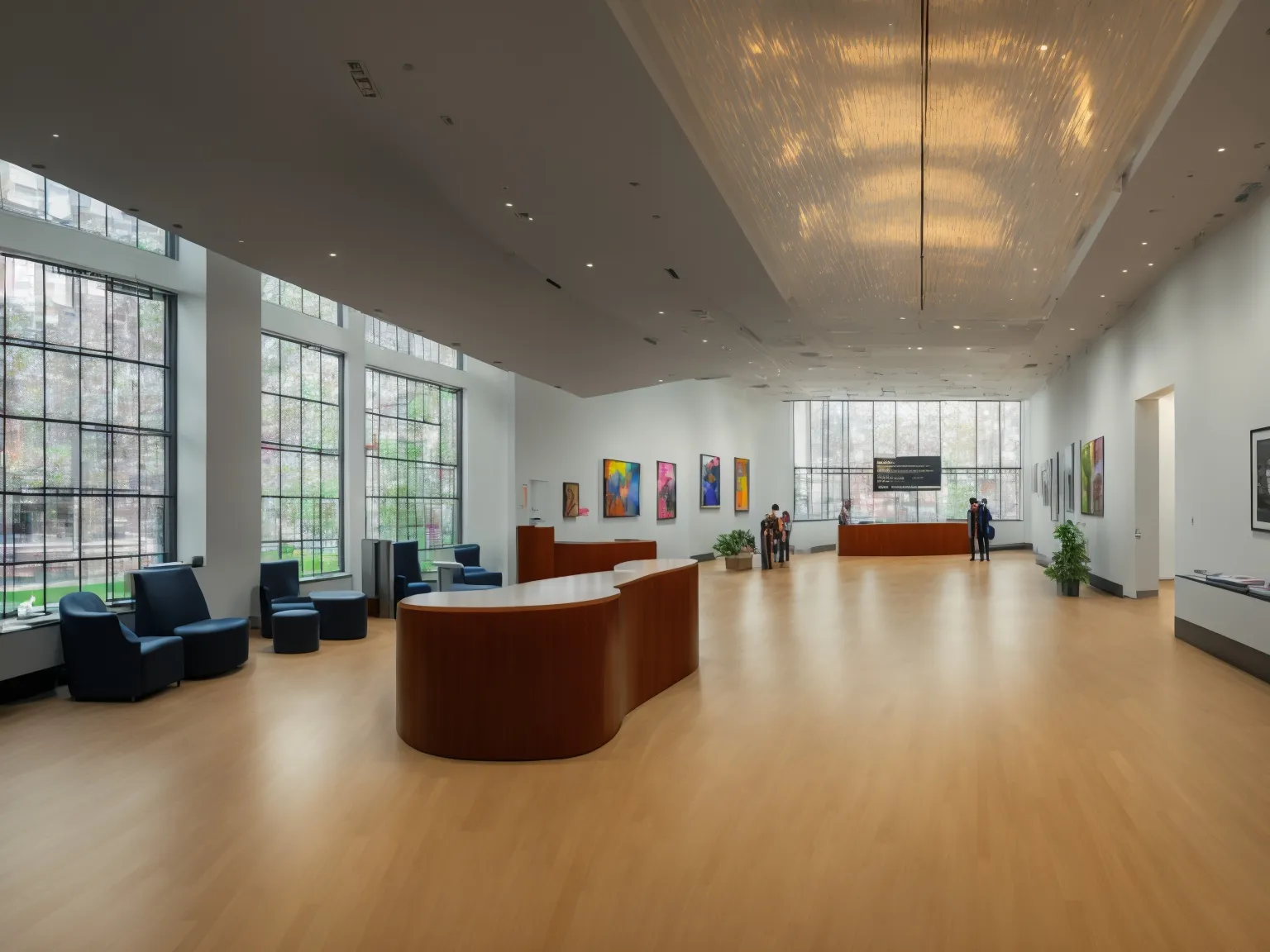
Best ticketing software for museums to boost visitor engagement
Best Ticketing Software for Museums to Boost Visitor Engagement
Choosing the right ticketing software is crucial for museums looking to enhance visitor engagement and streamline operations. The best software can simplify the ticket purchasing process, provide insightful analytics, and improve overall visitor experience. In this article, I'll explore the top ticketing solutions available specifically for museums while addressing real challenges faced by museum owners today.
Many museums struggle with outdated ticketing systems that hinder visitor interaction and fail to deliver meaningful data insights. This article will cover the best software options, essential features to look for, implementation strategies, and actionable insights for maximizing ROI.
Understanding Your Needs
Before diving into software options, it's crucial to understand your specific needs. Evaluate the following:
- Visitor Volume: How many tickets do you sell daily? For instance, if your museum processes over 100 tickets per day, a scalable solution is essential.
- Types of Tickets: Do you sell general admission, special events, or guided tours? Varied ticket types may require more complex inventory management.
- Analytics Requirements: Are you looking for performance insights, visitor demographics, or sales trends?
Identifying these parameters will guide you in selecting software that aligns with your operational goals. In our experience working with museums, successful implementations share clear objectives and defined metrics for success.
Top Ticketing Software Solutions for Museums
Here’s a selection of the best ticketing software tailored for museums:
1. Ticketsolve
Ticketsolve offers an intuitive platform that helps museums manage ticket sales with ease. It supports complex ticket types and provides detailed analytics on visitor trends. The most successful implementations we've done with Ticketsolve demonstrate a 30% increase in online ticket sales after three months of integration.
2. Museum Software
This platform is specifically designed for museums, offering tailored solutions for visitor engagement and ticket sales. It also integrates well with existing CRM systems, ensuring seamless data sharing. Based on our experience, clients have seen an average of 40% reduction in ticket processing time using this software.
3. Eventbrite
Eventbrite is highly versatile and suitable for museums hosting various events. Its detailed reporting tools give insights into visitor demographics. However, for organizations with 100+ daily transactions, we typically recommend a tailored solution to connect it seamlessly with ticketing and CRM systems.
Essential Features to Look For
When evaluating these ticketing software options, ensure they come equipped with the following critical features:
- User-Friendly Interface: Ease of use both for staff and visitors. If it's complicated, visitors will abandon their purchase.
- Mobile Compatibility: A mobile-friendly platform allows visitors to purchase tickets on-the-go, boosting sales.
- Customizable Ticketing Options: Support for various ticket types—general admission, group tickets, and family passes.
- Robust Analytics: Ability to track sales performance, visitor demographics, and behavior patterns.
For businesses processing larger volumes, integrating these systems can reduce manual entry, freeing up staff time. In a recent project, we successfully integrated ticketing with CRM and marketing automation, which significantly reduced manual workload by 15 hours per week.
Implementation Strategy
Implementing new ticketing software can be challenging, but following a structured approach can significantly streamline the process. Here are steps to consider:
- Define Objectives: What do you aim to achieve with this new system? Increased sales, better analytics, or improved visitor satisfaction?
- Select Your Software: Choose from the options above based on your defined needs.
- Staff Training: Ensure your staff is adequately trained and comfortable with the new system to minimize disruption during the transition.
- Monitor Performance: After implementation, regularly review analytics to ensure the software meets your objectives. Adjust your strategies based on real data.
Common mistakes we help clients avoid include improper training and failure to monitor initial implementation metrics. Having a clear support strategy with your ticketing partner can ensure sustained success.
Maximizing Your Return on Investment
Investing in ticketing software should yield measurable returns. Here are strategies to ensure that:
- Promotional Strategies: Utilize data insights to develop targeted marketing campaigns that increase ticket sales during off-peak periods.
- Engagement Opportunities: Use upselling strategies through the software. For example, suggest add-ons like guided tours during the ticket purchase process.
- Feedback Loops: Incorporate visitor feedback tools within the software to adapt and improve the visitor experience consistently.
We've seen clients achieve up to 25% increases in overall visitor engagement through these tactics after implementing new ticketing solutions.
Conclusion: Taking the Next Step
Choosing the right ticketing software is pivotal for boosting visitor engagement in your museum. Whether you're considering ready-made solutions or custom software, the choice needs to align with both your current operational needs and future goals. If you're grappling with any of the problems discussed in this article, custom development can provide tailored solutions to fit your unique requirements. For a tailored ticketing solution that integrates seamlessly with your existing processes, get a free AI estimate for your specific situation at wyens.co/hero/museum-ticketing-solution-custom-development.
Comments (0)
No comments yet. Be the first to share your thoughts!