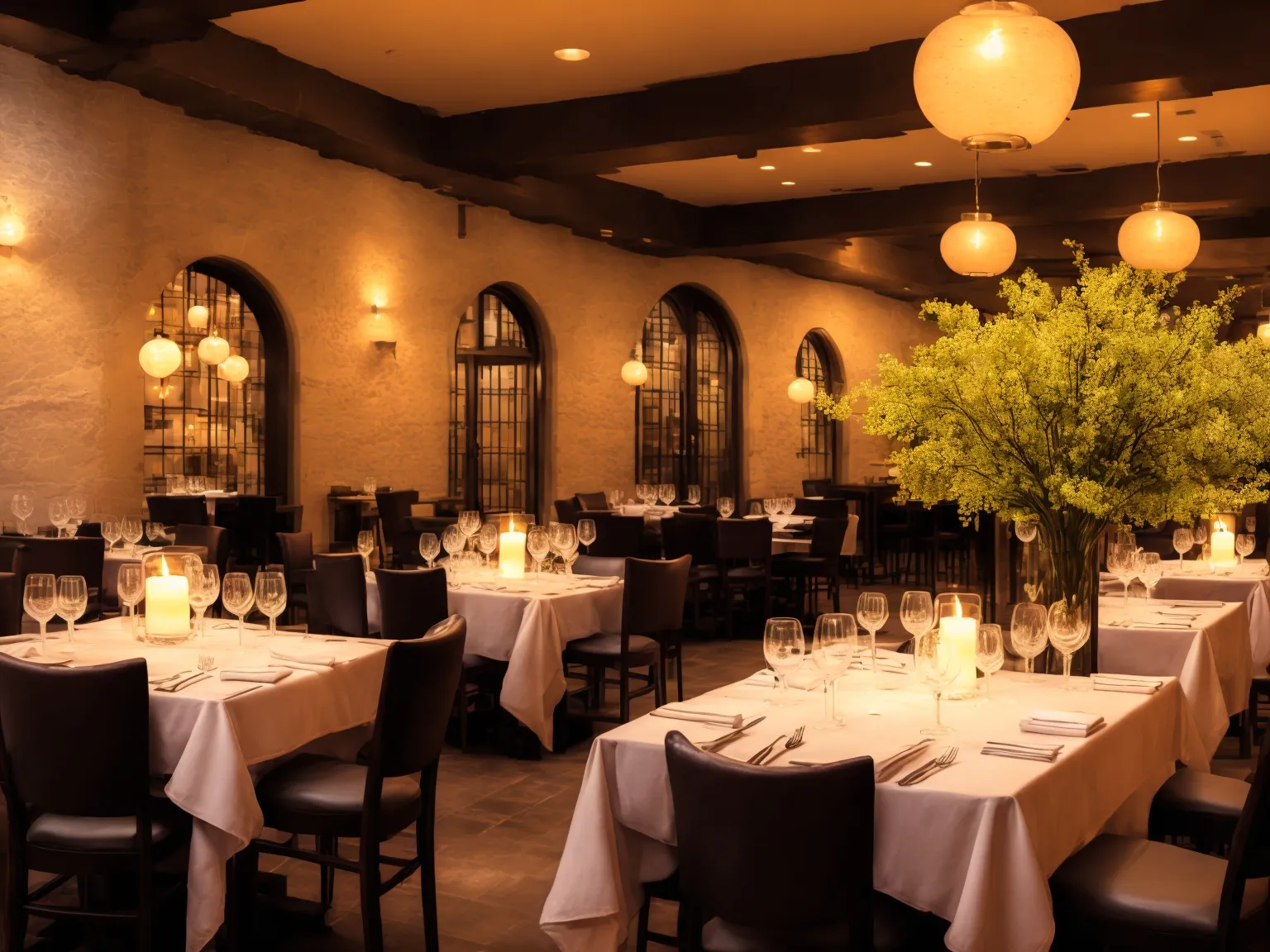
Best website builder for restaurants vs traditional web design
Best Website Builder for Restaurants vs Traditional Web Design
If you're managing a restaurant and contemplating how to create an engaging online presence, you may wonder whether a website builder or a traditional web design approach is right for you. The truth is, your choice can significantly affect not only your website's aesthetic and functionality but also the potential revenue generated from online orders and reservations. In this article, we'll explore the pros and cons of both options while providing actionable insights that can help you make an informed decision.
Understanding the Problem: Website Needs for Restaurants
Restaurants today face unique challenges, especially when it comes to online visibility and user interaction. According to statistics, 75% of diners look for restaurant information online before visiting. This highlights the necessity of a well-designed website that can effectively communicate your brand and services.
Moreover, many restaurant owners often experience difficulty in updating their menus, hours, or special offers. This challenge becomes more prominent when faced with fluctuating customer behaviors and external factors like seasonal changes. When addressing these issues, businesses often weigh the decision between DIY tools often promoted as website builders and the more customizable route offered by traditional web design.
Website Builders: Speed and Simplicity
Website builders like Wix, Squarespace, and WordPress.com offer an accessible solution for restaurant owners looking to quickly establish an online presence. Here are some benefits:
- Cost-Effective: Pricing typically ranges from $12 to $40 per month, making it an economical choice for startups.
- User-Friendly: With drag-and-drop interfaces, creating a site can take as little as a few hours, providing an immediate online presence.
- Templates and Add-ons: Many platforms offer restaurant-specific templates, complete with features like online ordering, reservation systems, and customer reviews.
However, it's important to keep in mind that while website builders can efficiently launch your site, they often come with limitations. Customization options might be restricted, and performance can vary, especially during peak traffic times.
Traditional Web Design: Custom Solutions for Unique Needs
On the other hand, traditional web design involves hiring a professional team to build a bespoke website tailored specifically to your restaurant’s brand and operational needs. Some considerations include:
- Fully Customizable: You have complete control over design, functionality, and features, allowing for a tailored user experience.
- Scalability: As your business grows, your website can adapt to increased traffic and additional features (like loyalty programs or CRM integration).
- SEO Optimization: Custom-built sites can be better optimized for search engines, which can lead to higher organic traffic and, ultimately, increased bookings.
While costs can be higher—ranging from $5,000 to $30,000 depending on complexity—successful projects have aimed to reduce processing times and enhance visitor interaction. For example, a project I worked on recently for a regional restaurant chain involved both a fresh design and integration with an online ordering system, resulting in a 40% increase in online orders in the first three months.
Choosing the Right Approach: Key Considerations
When deciding between a website builder and traditional design, consider the following factors:
- Your Budget: If funds are tight, a website builder could be the initial step, allowing for growth and expansion down the road.
- Time to Launch: Builders can get you online quickly, but remember, in the restaurant industry, time is of the essence for capturing customer attention.
- Long-term Vision: If you envision your restaurant growing significantly, investing in a custom-built site can pay dividends later in terms of flexibility and brand alignment.
Common mistakes we help clients avoid include neglecting mobile optimization. According to a recent study, over 60% of restaurant website traffic comes from mobile devices, making it essential to ensure any solution—whether DIY or custom—functions seamlessly across all devices.
Implementation Insights: What Works
For companies processing 100+ transactions daily, we typically recommend custom automation that connects your website with existing systems such as POS, inventory management, and customer databases. This integration not only streamlines operations but also improves customer experience by providing real-time updates on menu items or wait times.
By utilizing robust tools like restaurant management systems that sync with your website, you can reduce manual input, which we've found can cut processing time up to 80%. This means your staff can spend less time managing orders and focusing more on delivering exceptional service.
Conclusion: Making Your Decision
In summary, both website builders and traditional web design have their merits and drawbacks. If your restaurant relies heavily on unique branding, advanced functionalities, and the ability to scale, a traditional approach often proves more effective in the long run. However, for smaller establishments or those just starting out, a website builder may provide the necessary stepping stone.
If you're facing challenges in navigating this critical decision or require a tailored solution that combines the best of both worlds, consider custom development. Custom solutions can enhance your operations, and ensure that your online presence truly reflects your restaurant's unique attributes.
To explore options for building a customized restaurant website that integrates seamlessly with your existing systems, get a free AI estimate for your specific situation at wyens.co/hero/custom-restaurant-website-automation.
Comments (0)
No comments yet. Be the first to share your thoughts!