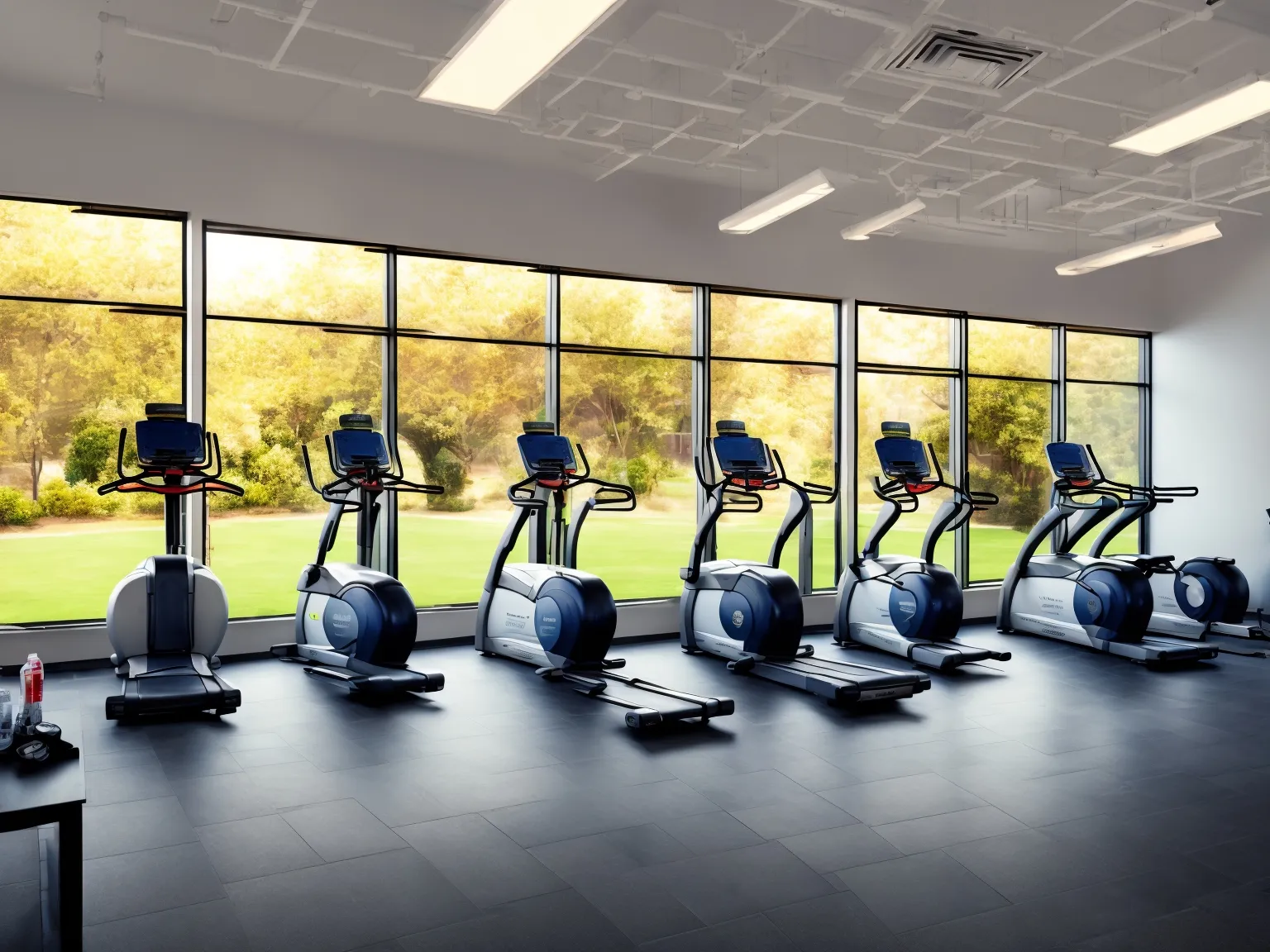
Custom customer portal vs third-party solutions for gyms
Custom Customer Portal vs. Third-Party Solutions for Gyms: Which is Right for You?
When it comes to enhancing member experience, gym owners often face a critical decision: should they build a custom customer portal or opt for third-party solutions? This choice affects member engagement, operational efficiency, and ultimately, profitability. In this article, we’ll explore the advantages and disadvantages of each option and provide actionable insights to help you make the best decision for your unique business needs.
Many gym owners struggle with the integration of member management systems, payment processing, and customer engagement. Understanding the differences between custom-built solutions and off-the-shelf products can greatly impact your operational success. We'll discuss essential factors to consider, share practical examples, and provide a step-by-step approach to help you navigate this crucial decision.
Understanding Your Needs
Before deciding between a custom portal and a third-party solution, it’s essential to assess your specific business needs. Here are key questions to consider:
- What features are critical for your operations? Identify essential functions like class scheduling, member communication, and billing integrations.
- What is your budget? Determine how much you can invest in development versus subscription fees.
- What does your timeline look like? Consider whether you need a solution quickly or can wait for a tailored approach.
In a recent project, we worked with a fitness studio that needed real-time class updates and a seamless checkout process. Their decision to go with a custom portal allowed us to integrate multiple functions that addressed their specific pain points. The most successful implementations we've done share these traits: clarity in requirements and a strong understanding of member demographics.
The Case for Custom Customer Portals
Building a custom customer portal provides tailored functionality that aligns with your business model. Here are some core advantages:
- Unique Features: Custom portals can offer functionality that aligns precisely with your gym's operations—like superior member communication features, personalized workout tracking, or unique payment options.
- Branding: A custom solution allows you to maintain full control over the user experience and design, reinforcing your brand identity.
- Scalability: As your gym grows, you can adjust the platform to accommodate increasing member numbers and evolving services.
On the other hand, developing a custom portal often comes with higher upfront costs and longer development times—typically ranging from $10,000 to $50,000 depending on complexity. However, this investment often pays off long-term by reducing churn and increasing member satisfaction. In our experience, businesses that invest in custom solutions see an ROI of 2-3x through improved member retention and engagement.
Third-Party Solutions: The Convenient Choice
Choosing a third-party solution can be a practical alternative for gym owners who need quicker implementation and lower initial costs. Here are some benefits:
- Lower Initial Investment: Most third-party solutions offer subscription-based models, reducing upfront costs and making it easier to budget.
- Rapid Deployment: Many solutions can be up and running within days or weeks, meeting immediate needs for operational efficiency.
- Integrated Support: Established solutions often come with robust customer support, meaning less hassle for your team in handling technical issues.
However, while many third-party solutions are convenient, they often lack the flexibility of a custom solution. Common mistakes we help clients avoid include choosing a solution solely based on price, overlooking upload limits, and underestimating integration challenges. Pricing for established solutions can vary widely, typically ranging from $100 to $500 per month, which can add up significantly over time.
Implementation Considerations
Regardless of which route you choose, successful implementation requires thoughtful planning. Here’s a step-by-step approach:
- Define Objectives: Clearly document your goals and what successful implementation looks like for your gym.
- Evaluate Options: If selecting a third-party solution, review multiple providers and their features. For custom solutions, develop a detailed project scope with your development team.
- Plan for Integration: Ensure your chosen solution can seamlessly integrate with existing systems like payment processors, email marketing platforms, and CRM systems.
- Test and Iterate: Before going live, conduct thorough testing with a small group of users to identify any bugs or usability issues.
For companies processing 100+ transactions daily, we typically recommend custom automation that connects platforms like Shopify and QuickBooks, which helps streamline operations significantly and reduce manual work by up to 10 hours a week. This customization not only enhances user experience but also drastically improves efficiency.
Conclusion: Making the Right Choice
Choosing between a custom customer portal and third-party solutions for your gym is not a one-size-fits-all decision. It hinges on your unique operational needs, budgetary constraints, and long-term goals. If you’re leaning toward the benefits of a custom solution, from enhanced engagement to streamlined operations, this route may be the way to go.
As a seasoned development consultant who has successfully navigated this decision for numerous clients, I can assure you that a well-planned, custom solution tailored to your gym can offer superior growth and member satisfaction. If you're dealing with figuring out the best portal solution for your gym, custom development can solve this. Get a free AI estimate for your specific situation.
Comments (0)
No comments yet. Be the first to share your thoughts!