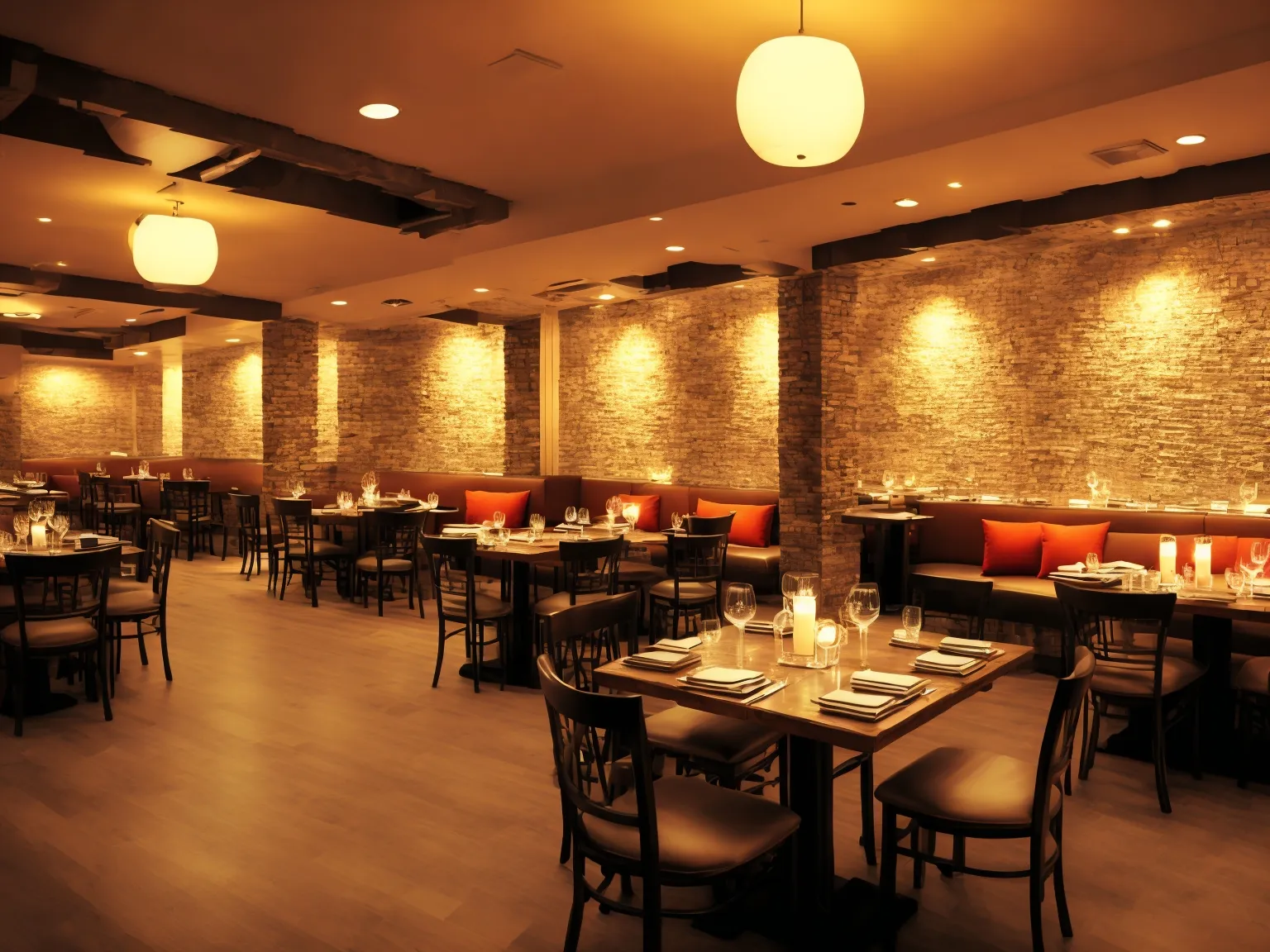
Custom mobile app for restaurants vs existing solutions
Custom Mobile App for Restaurants vs. Existing Solutions
When it comes to enhancing customer experience and operational efficiency, restaurant owners often find themselves at a crossroads: should they adopt existing mobile app solutions or invest in custom app development? The answer hinges on your specific needs, budget, and future goals. In this article, we’ll explore the advantages and disadvantages of both options, helping you make an informed decision for your restaurant.
Many restaurant owners struggle with managing orders, payments, and customer engagement, leading to operational inefficiencies and missed revenue opportunities. This article will cover the key features to consider, costs involved, potential ROI, and real-world examples to guide your decision.
Understanding Your Restaurant's Needs
The first step in determining if you need a custom mobile app or an existing solution is to clearly define what your restaurant needs. Some questions to consider include:
- What are your core functionalities? Do you need features like online ordering, table reservations, or loyalty programs?
- What volume of transactions do you process? A restaurant processing over 100 orders daily might have different needs than a small café.
- How personalized do you want the customer experience? More customization typically requires a more tailored solution.
It's essential for business owners to analyze their specific operational pain points. We've helped clients pinpoint their needs and devise effective solutions tailored to those issues. For instance, common functionalities that enhance user experience include integrated payment systems and real-time order tracking.
Existing Solutions: Pros and Cons
Many off-the-shelf mobile apps are readily available for restaurant management, such as Toast, Square, and others, which can get you up and running quickly. Here are the pros and cons of existing solutions:
Pros:
- Cost-effective: Without the need for large initial investments, existing solutions typically have lower upfront costs.
- Quick implementation: Most platforms can be integrated in days, allowing you to start seeing results sooner.
- Less maintenance: Providers usually handle updates and technical issues, reducing your workload.
Cons:
- Limited customization: You'll be constrained by the features the provider offers.
- Integration issues: Off-the-shelf solutions may not seamlessly connect with your existing systems.
- Ongoing costs: Subscription fees can add up over time, impacting your bottom line.
In a recent project with a mid-sized restaurant chain, we helped create a custom app, which significantly improved their order management speed by reducing processing time from 30 minutes to just 10 minutes. In contrast, their previous experience with an existing solution did not offer such specific adaptability.
Custom Mobile Apps: Challenges and Benefits
While custom mobile app development requires a larger initial investment, it also allows for the flexibility and personalization of features that are unique to your restaurant's operation and brand.
Benefits:
- Tailored functionalities: You can design the app to meet your specific operational needs and customer preferences.
- Seamless integrations: Custom apps can be connected to your existing systems such as POS, inventory management, and CRM for smoother operations.
- Scalability: As your restaurant grows, so can your app, adapting to new features and functionalities easily.
Challenges:
- Higher upfront costs: Development can require significant investment upfront, ranging from $20,000 to over $100,000 based on complexity.
- Time-consuming development: Creating a customized solution may take several months to perfect.
- Maintenance responsibilities: You'll be responsible for updates and technical issues post-launch.
For a restaurant processing 150 transactions daily, our clients typically benefit from a custom automation connecting their ordering system directly to inventory management, significantly reducing manual work by up to 20 hours per week.
Evaluating Costs and ROI
Understanding the financial implications is critical when deciding between custom development and existing solutions. Here’s what you should consider:
- Initial Costs: An existing solution might range from $50 to $200 per month, while a custom app development could cost around $30,000-$120,000.
- Operational Costs: Ongoing maintenance for custom apps can hover around 15% of the initial development cost annually.
- Time to Value: Expect a 2-6 month timeline for custom development before you start enjoying increased efficiency and revenue.
In our experience, the most successful implementations share the trait of having a well-documented transition plan to ensure smooth adoption among staff and customers alike.
Making the Right Choice for Your Restaurant
Ultimately, the decision between a custom mobile app and an existing solution should be based on your long-term goals and the specific needs of your restaurant. Here are key steps to take before making a choice:
- Conduct a needs assessment: Evaluating your current processes will illuminate opportunities for improvement.
- Analyze customer preferences: Understanding what your customers want can guide feature development.
- Consult with experts: We often assist clients in assessing their needs and crafting solutions that maximize ROI.
Conclusion
The right decision hinges on a thorough understanding of your restaurant's unique needs. If your operational complexity and customer expectations demand a tailored approach, a custom mobile app can provide significant advantages. Conversely, if resources are tight or your needs are straightforward, existing solutions might suffice.
If you're dealing with inefficiencies or growth barriers in your restaurant’s operational process, custom development can offer a tailored solution. Get a free AI estimate for your specific situation: wyens.co/hero/build-custom-mobile-app-for-restaurants.
Comments (0)
No comments yet. Be the first to share your thoughts!