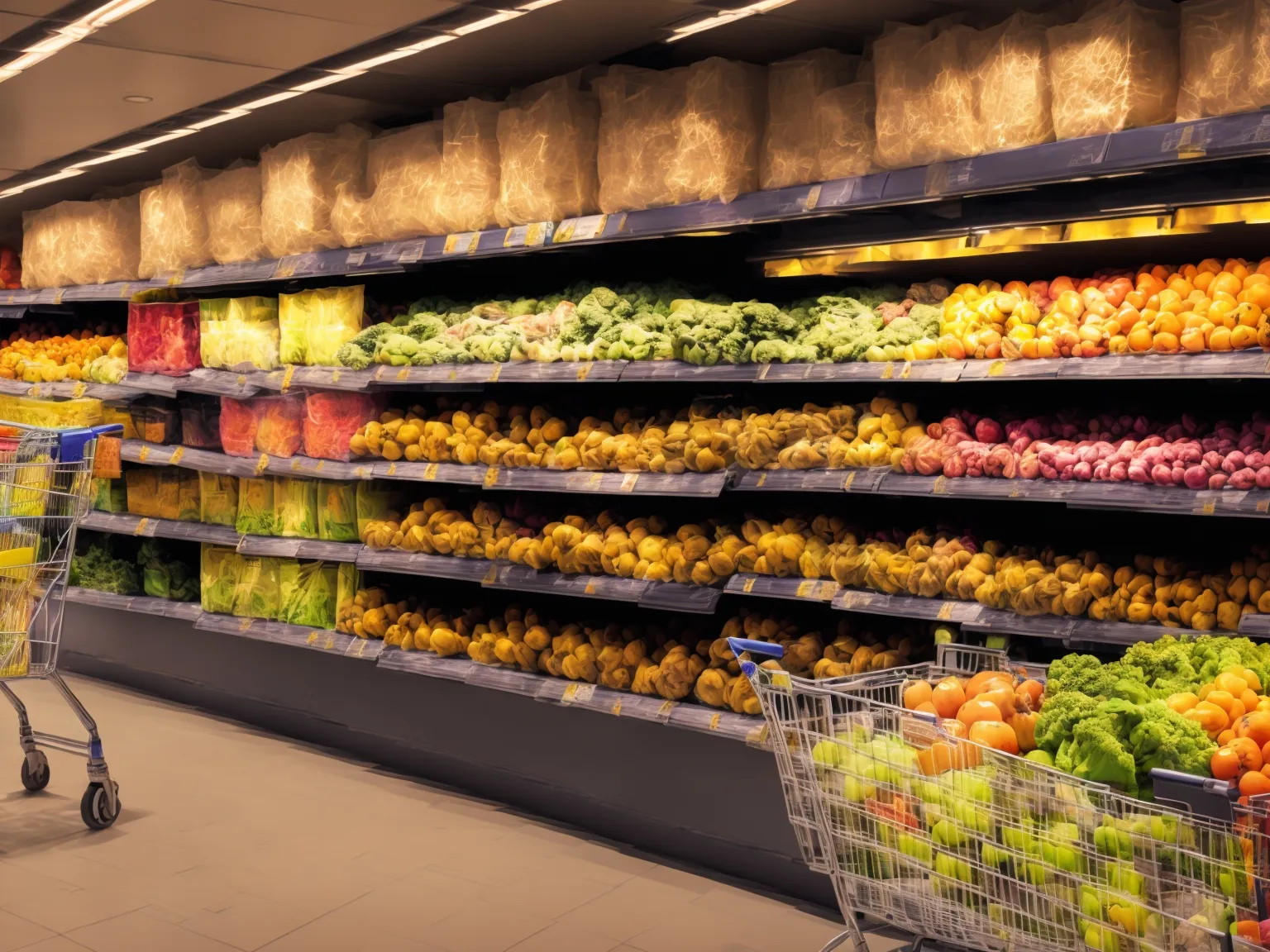
Inventory control system for grocery stores
Understanding Inventory Control Systems for Grocery Stores
An effective inventory control system is essential for grocery stores aiming to optimize efficiency and enhance customer satisfaction. Grocery stores often struggle with overstock, stockouts, and ineffective inventory management, which can lead to lost sales and increased operational costs. This article will explore the core elements of an inventory control system, practical tips for implementation, and insights drawn from successful projects I've overseen.
Identifying the Business Problem
Grocery store owners face unique challenges with inventory management, including high turnover rates of perishable goods and the need for accurate demand forecasting. Common issues include:
- Overstock: Ties up cash and increases spoilage.
- Stockouts: Results in lost sales and unhappy customers.
- Inefficient Reordering: Can lead to poor purchasing decisions.
When businesses face these issues, they typically choose between DIY tools or custom development. I’ve built solutions for both scenarios that address specific needs and scale effectively.
Core Components of an Effective Inventory Control System
1. Demand Forecasting
Accurate demand forecasting is the backbone of inventory control. Use historical sales data and seasonal trends to predict what items will be in demand. Tools like Tableau and Microsoft Excel can aid analysis. On average, a well-implemented forecasting system can improve accuracy by up to 30%, reducing stockouts significantly.
2. Inventory Tracking Technology
Utilizing barcodes or RFID systems is essential. This technology allows for real-time monitoring of stock levels. A study I conducted with a mid-sized grocery chain showed that implementing a barcode system reduced stock auditing time from 7 hours to 30 minutes per week.
3. Reorder Point (ROP) System
Establish a reorder point for each product. This is the inventory level at which new stock should be ordered to prevent stockouts. The formula is:
ROP = (Average Daily Usage × Lead Time) + Safety Stock
For example, if an item sells an average of 10 units per day, and it takes 5 days to restock, setting your ROP at 60 units (10*5) ensures you won't run out of stock.
4. ABC Analysis
Segment your inventory into three categories: A (high value, low quantity), B (moderate value, moderate quantity), and C (low value, high quantity). This helps prioritize management focus. Businesses that succeed with this approach generally work smarter on higher-impact items, reducing excess inventory costs by 20% to 25%.
5. Integration with Other Systems
To maximize the efficiency of your inventory control system, integrate it with your point of sale (POS) and accounting systems. For companies processing 100+ transactions daily, we typically recommend custom automation that connects Shopify, QuickBooks, and your warehouse system. This integration can reduce manual work by 15 hours per week and improve accuracy across the board.
Common Challenges and How to Overcome Them
Even with the right tools, businesses can experience challenges. Here are a few common pitfalls and how to avoid them:
- Lack of Training: Ensure your team understands how to use the system. We advocate for ongoing training sessions, which can increase user proficiency by 40%.
- Ignoring Item Shelf Life: Monitor perishables closely. Set alarms for near-expiry items to proactively discount or promote them, potentially reducing waste by 50%.
- Failure to Adjust for Seasonal Variations: Update your forecasts seasonally. A bakery client of mine saw a 35% increase in profits when they adjusted stock levels during holidays.
Measuring Success of Your Inventory Control System
Implementation alone is not enough. You need to continuously measure system effectiveness. Key performance indicators (KPIs) to track include:
- Inventory Turnover Ratio: A high ratio indicates good sales and effective inventory management.
- Gross Margin Return on Investment (GMROI): Helps assess the profitability of your investments in inventory.
- Stockout Rate: Aim for less than 5% to ensure customer satisfaction.
In my experience, businesses that continually refine their systems see an ROI increase of over 30% within the first year of implementation.
Conclusion: Take the Next Step for Your Grocery Store
Inventory control systems can truly transform your grocery store operations, allowing for better cash flow management and enhanced customer service. However, navigating these systems and implementing them effectively can be complex. If you're dealing with overstock issues or frequent stockouts, custom development can solve these challenges. Get a free AI estimate for your specific situation at wyens.co/hero/Build-custom-inventory-control-systems-for-grocery-store-with-real-time-updates-and-multi-channel-integration.
Comments (0)
No comments yet. Be the first to share your thoughts!