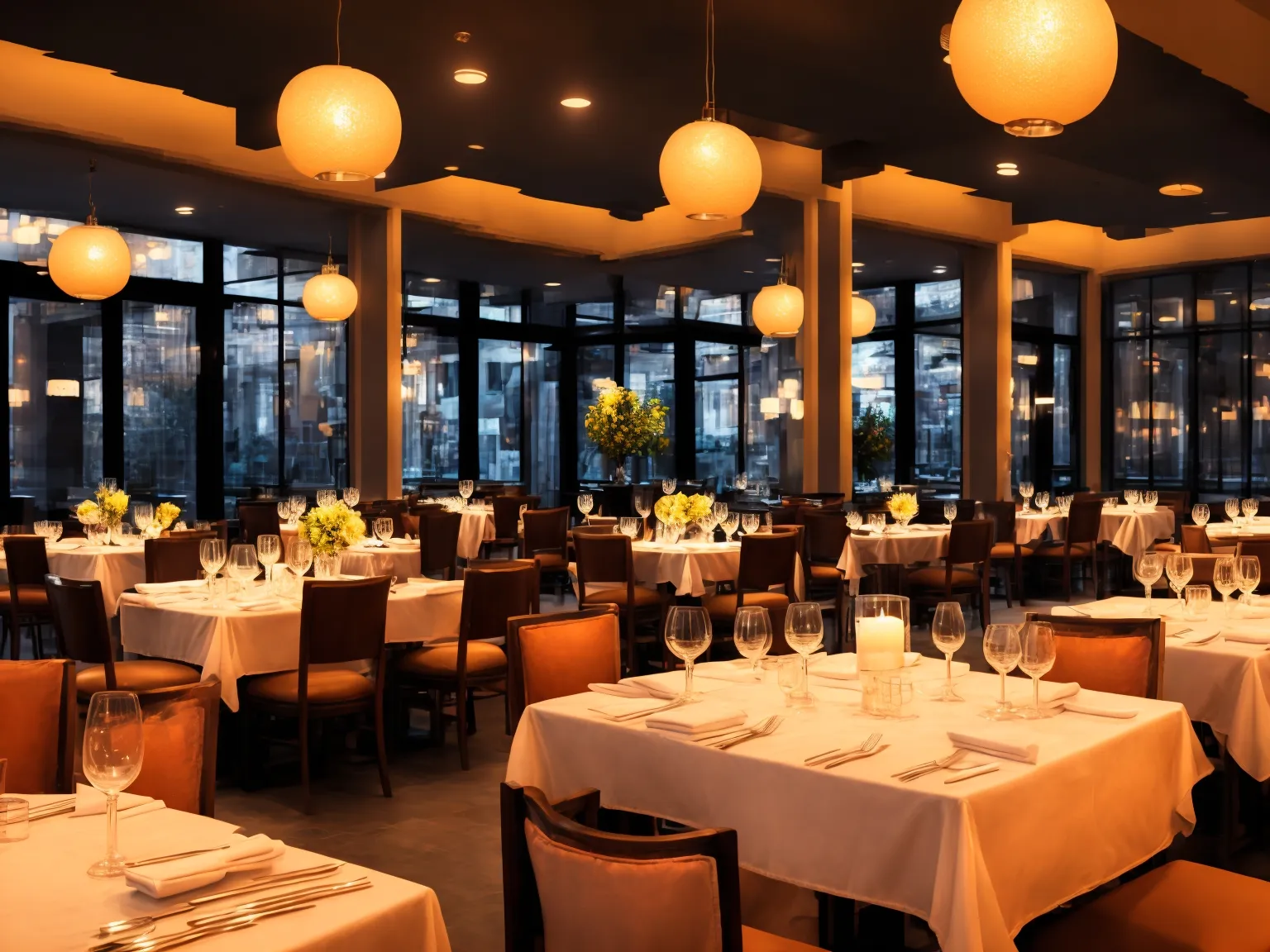
Mobile app for restaurant reservations vs traditional phone bookings
Mobile App for Restaurant Reservations vs. Traditional Phone Bookings
The choice between a mobile app for restaurant reservations and traditional phone bookings is pivotal for business owners aiming to streamline their operations and enhance customer satisfaction. Many restaurants struggle with inefficiencies and customer frustration stemming from outdated reservation methods. In this article, we will explore both options, detailing their pros and cons, and provide insights on implementing a mobile app to transform your reservation system.
Understanding the Limitations of Traditional Phone Bookings
While traditional phone bookings have been a staple in the restaurant industry for decades, they come with several inherent limitations:
- Time-Consuming: Handling reservations through phone calls can lead to significant wait times for customers. On average, restaurants spend about 10-15 minutes daily on phone reservations.
- Human Error: Miscommunication can lead to double bookings or incorrect reservation details.
- Limited Availability: Customers can’t see real-time availability, which may lead to frustration when they discover that their desired time slot is booked.
By transitioning to a mobile app, restaurants can alleviate these issues. In our recent project with a mid-sized restaurant, we were able to cut reservation handling time from hours to just a few minutes through an integrated app solution.
The Benefits of Using a Mobile App for Reservations
Mobile apps provide several advantages that can significantly enhance the customer experience and operational efficiency:
- Real-Time Availability: Customers can view available slots and make reservations instantly, reducing booking errors.
- Automated Reminders: Mobile apps can send automated notifications to remind customers of their upcoming reservations, decreasing no-show rates by up to 30%.
- Data Insights: With a mobile app, you can collect valuable data on customer preferences and dining habits, allowing for tailored marketing strategies.
In fact, we implemented an app solution for a restaurant chain which led to a 20% increase in reservations, directly correlating with their new ability to accommodate and manage customer demands effectively.
Implementing a Mobile App: Steps to Consider
Transitioning to a mobile app is a significant step, and here are some actionable steps to guide you:
- Defining Features: Determine what functionalities are essential for your restaurant app. Common features include online reservations, payment processing, loyalty programs, and menu browsing.
- Choosing the Right Platform: Decide whether to build a native app or a hybrid solution. Native apps provide better performance but require more investment - typically ranging from $30,000 to $150,000 for comprehensive solutions.
- Integration with Existing Systems: Ensure that your app integrates seamlessly with your POS and CRM systems. For example, custom automation connecting your reservation system directly with your POS can streamline operations and enhance customer service.
Common mistakes we help clients avoid include underestimating the time and budget required for these integrations and not involving staff in the design phase, which can lead to resistance in adoption.
Seeking Expert Guidance: When to Partner for Development
Not all restaurants have the resources to develop an app in-house, and understanding when to partner with experts is crucial. In our work, we assist businesses by providing tailored solutions that focus on specific needs. For instance, restaurants managing over 100 reservations per day often require robust custom automation processes to keep their operations smooth.
Choosing the right partners to consult can turn a complex project into a streamlined process, leveraging their expertise to avoid pitfalls and accelerate timelines.
Conclusion: Making the Right Choice for Your Restaurant
As a restaurateur, the decision between mobile app reservations and traditional phone bookings can greatly impact your customer experience and operational efficiency. The benefits of adopting a mobile app are clear, from reducing booking errors to improving customer engagement through real-time features.
If your restaurant is grappling with inefficient reservation systems and the challenges of traditional bookings, consider how a custom app could be tailored to your needs. You can transform your reservation process and significantly boost your business's bottom line. To explore how custom development can address your specific reservation challenges, visit wyens.co/hero/build-mobile-app-for-restaurant-reservations.
Comments (0)
No comments yet. Be the first to share your thoughts!